
Greenwood County Arrest Records and Charges
Greenwood County arrest records and court charge records are related, but they are not the same file. The arrest side may involve the sheriff, jail, booking, custody status, or a warrant return. The court charge side begins when a complaint, information, indictment, citation, or other charging paper is filed with the court. The court record then tracks each charge through hearings, amendment, diversion, dismissal, plea, trial, disposition, and sentence.
The research did not locate an official Greenwood County jail roster that publishes booking numbers, mugshots, bond fields, or a searchable local booking table. The sheriff site points users to VINELink for custody lookup and to CorrectPay/JailFunds for jail services. For the booking and custody path, use the jail and inmate records channel. For the full court outcome, use the criminal court record. For the charge list and charge status, use the district court case record or a clerk request.
The Kansas KBI registered offender source is a separate registry for certain sex, violent, and drug offenders. It is not a Greenwood County booking database and not a complete charge lookup.
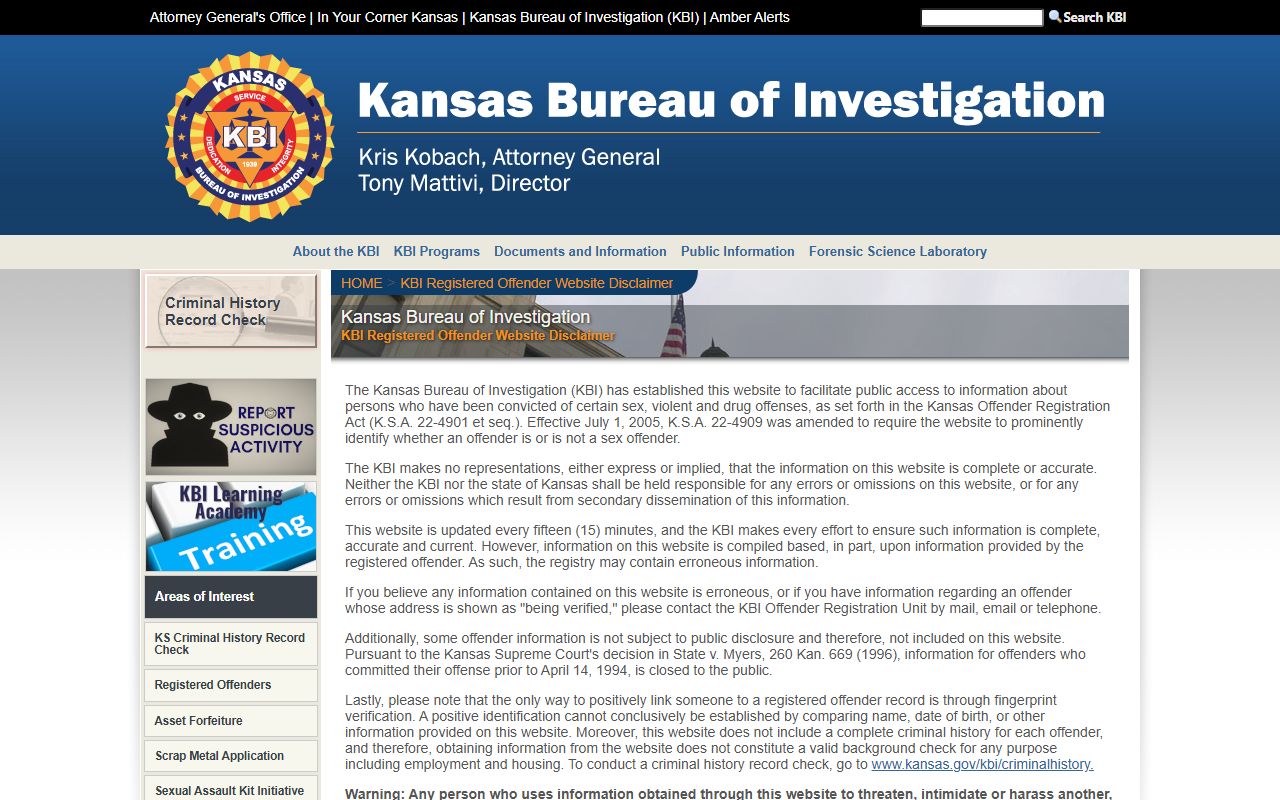
The KBI registry can help with registered offender status, but filed charges after arrest should be verified through the court case record.
Find Greenwood County Arrest Records
The most practical search starts by deciding whether the question is about custody, an arrest event, or filed charges. Custody questions can go to the sheriff or jail. Filed charges and court status go to Kansas CaseSearch, the courthouse public access computer, or the Clerk of the District Court. A booking charge is not always the same as the formal court charge that the prosecutor files.
- For current custody, check the sheriff-linked VINELink route or call the Greenwood County jail at 620-583-5569.
- For filed charges, search Kansas CaseSearch by defendant name or case number.
- Open the case and review each count, statute, charge status, docket entry, plea, and disposition.
- If the case is not online, call the Clerk of the District Court at 620-583-8153 to schedule public terminal use or file review.
- For prosecution or diversion questions, contact the County Attorney's Office at 620-583-8171 if the office is the proper source.
Greenwood County court charges after arrest can also be affected by a municipal court route. Eureka Municipal Court handles city ordinance violations and municipal traffic matters. If an arrest or citation relates to city code, the charge may not follow the same path as a state criminal case in District Court.
Charges After Arrest Documents
The charging document is the formal bridge between an arrest and a court case. In Kansas district court practice, criminal records can start after a complaint, information, indictment, or citation is filed. The exact document matters because it tells the reader who filed the charge, what law is alleged, how many counts exist, and where the court case starts. A later amendment can change the charge list.
| Document | Who Files or Issues It | What It Does | Greenwood County Use |
|---|---|---|---|
| Complaint | Prosecutor or charging authority | Alleges an offense and can open a criminal case | Common route for Kansas criminal filings |
| Information | County Attorney or prosecutor | States formal charges without a grand jury indictment | Used for many prosecuted cases after charging review |
| Indictment | Grand jury | Charges an offense after grand jury action | Less routine, but still a recognized charging document |
| Citation | Law enforcement or authorized officer | Starts or supports a traffic, fish-and-game, municipal, or lower-level case | Can lead to district or municipal court entries |
The Kansas criminal expungement statutes source is tied to this page because expungement can cover eligible convictions, arrest records, and diversion agreements.
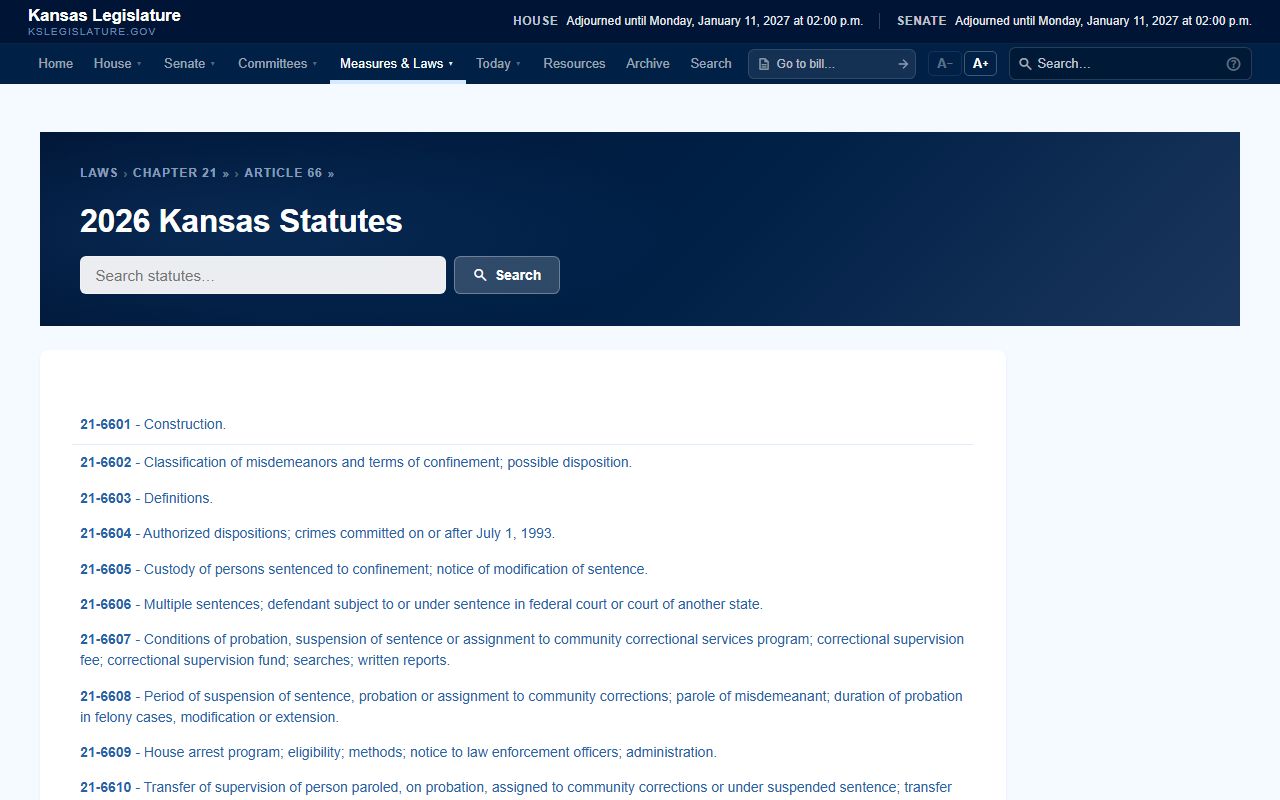
Expungement is a later court process. It does not change the need to read the original charging document and disposition before drawing conclusions.
Greenwood Charge Status Table
Charge status changes are common. One arrest can produce several counts, and each count can have a different outcome. A charge may be pending while the case is open, amended as the prosecutor changes the allegation, reduced through negotiation, dismissed by the court or prosecutor, resolved through diversion, or converted into a conviction after plea or trial. Always read the docket entries and final disposition together.
| Status | What It Means | What to Check |
|---|---|---|
| Pending | The charge is still active and no final disposition has been entered. | Next hearing date, bond terms, and motion activity. |
| Amended | The filed charge was changed after the case began. | Original count, amended count, statute, and severity. |
| Reduced | The charge moved to a lesser offense or lower severity. | Plea agreement, amended information, and disposition. |
| Dismissed | The charge was ended without conviction on that count. | Whether dismissal was with or without prejudice if shown. |
| Diversion | A prosecutor-supervised agreement may avoid conviction if completed. | Diversion terms and later dismissal or revocation entries. |
| Convicted | A guilty plea, no-contest plea accepted by the court, or guilty verdict resolved the count. | Sentence, fines, restitution, probation, and expungement eligibility. |
Greenwood County Charge Review
The Greenwood County Attorney is the local prosecutor identified in the research. The Attorney's Office handles criminal matters, traffic offenses, juvenile crimes, and child-in-need-of-care cases. It is located at the courthouse, but the county open-records materials clarify that the County Attorney and District Court are State of Kansas offices for records purposes. That means a county-government KORA request to the County Clerk is not the normal route for a district court criminal case file.
The County Attorney's Office also has a pretrial diversion program noted by the 13th Judicial District fine-payment page. Diversion can affect charge status because successful completion may avoid conviction. The direct diversion guideline document URL was not extracted in the research, so the safe source for questions is the County Attorney's Office phone number found in the county research.
Greenwood County Attorney's Office
311 N Main, Suite 8
Eureka, KS 67045
620-583-8171
Fax 620-583-8172
Charge vs Conviction
A Greenwood County arrest record, booking note, or filed charge does not prove a conviction. Charges can be rejected, amended, reduced, diverted, dismissed, or resolved by acquittal. Conviction status depends on the court's final action for each count. That distinction is central when reading court charges after arrest because a single case can include both convicted and dismissed counts.
| Point | Charge | Conviction |
|---|---|---|
| Meaning | An alleged offense listed at booking or filed in court | A final court outcome based on plea or verdict |
| Source | Booking data, prosecutor filing, citation, complaint, information, or indictment | Disposition, journal entry, judgment, and sentencing record |
| May change | Yes, by amendment, reduction, dismissal, or diversion | Less often, through appeal, correction, or expungement |
| Best verification | District court docket and charging document | Disposition and sentencing entries in the criminal case file |
The full case path, including pleas, motions, disposition, and sentencing, is covered in the Greenwood County criminal court records file.
KBI and State Charge Limits
The KBI registered offender registry is public under Kansas offender-registration law for certain sex, violent, and drug offenders. It updates frequently, but the KBI disclaims completeness and accuracy because part of the data depends on registrant-provided information. It also says some offender information is not public. The registry is useful for registered offender status, not for a full Greenwood County arrest record or complete court charge history.
For custody, use the Greenwood County sheriff route, VINELink Kansas, or the jail phone. For state prison or parole/postrelease status, use KASPER through KDOC. For a filed charge, use Kansas CaseSearch or the Clerk of the District Court. For an expungement or charge outcome, read the court disposition and any later expungement order.
The BIDS contact information source is relevant when an adult felony defendant needs appointed counsel after charges are filed.

Defense resources can affect the case path, but they do not replace charge verification through the court docket and clerk-held file.
Restricted Arrest and Charge Records
Some Greenwood County arrest records and charge records are not ordinary public records. Kansas juvenile records are restricted by K.S.A. 38-2309 through 38-2312. Juvenile court records, juvenile law-enforcement records, diagnostic records, treatment records, and medical information may require party status, attorney status, agency authority, or court order. Adult records can also be sealed, redacted, or expunged depending on the case and statute.
| Record Type | Public Access Concern | Practical Effect |
|---|---|---|
| Juvenile arrest or charge | Special Kansas juvenile confidentiality rules | Do not assume online or public clerk access is available. |
| Sealed charge | Closed by law or court order | May not appear in public search or may require court order. |
| Expunged arrest, conviction, or diversion | Restricted after petition-based court process | May still exist for limited statutory uses. |
| Redacted record | Protected personal or victim information removed | Public portions may be released without confidential data. |
The Kansas juvenile records and expungement statutes source supports the restriction rules for juvenile matters.
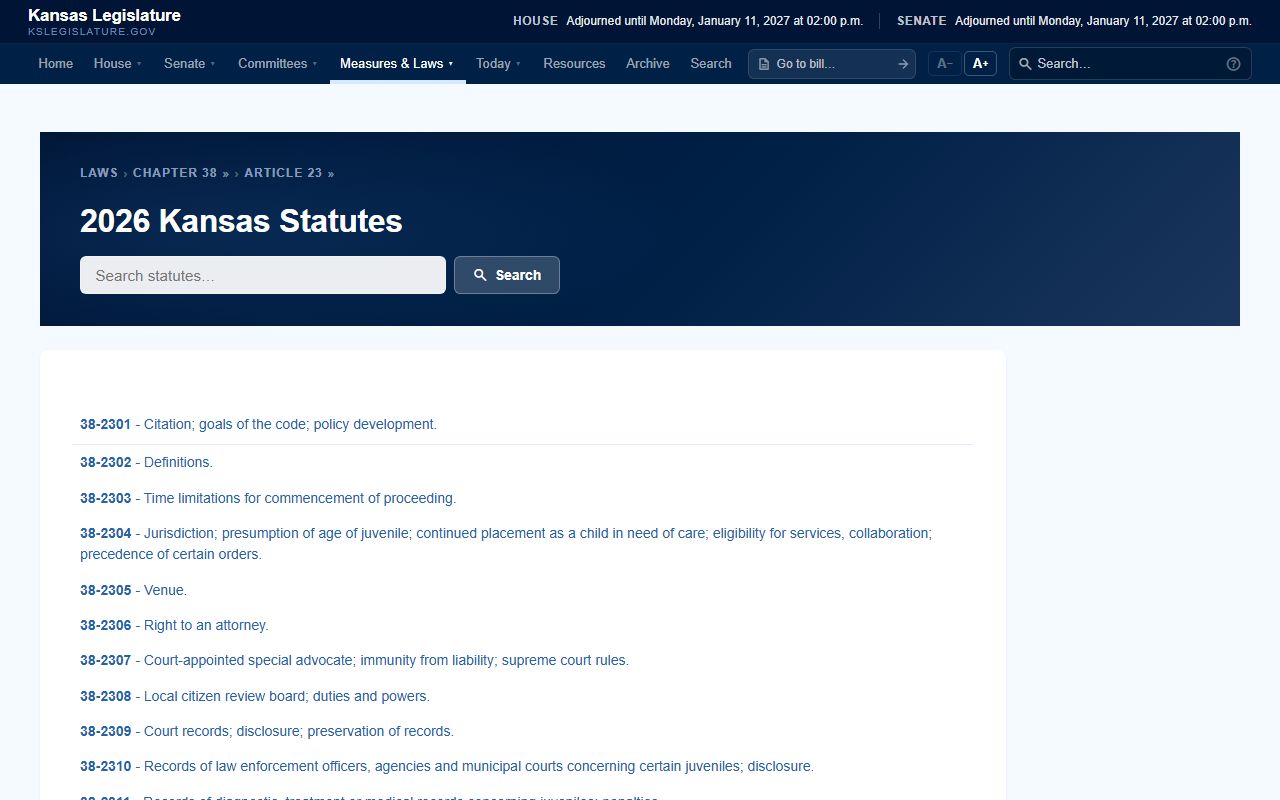
When the record involves a juvenile, sealed count, or expungement order, the absence of a public search result should not be read as proof that no court action ever existed.
Note: A booking charge, filed charge, and conviction can be three different things in the same Greenwood County case.